












Scene guides · 4 min read
Gear on a budget: what to buy first
You don't need a full wardrobe to walk into a gear night. What to buy first, where second-hand pays off, and the cheap stuff that isn't worth the risk
The Real Kink Men team · Nov 2
Good gear is expensive, and the men who own a lot of it usually bought it over years. Nobody expects you to turn up to your first gear night head to toe in new leather.
What you do need is a plan. Buy the few pieces that do the most work, buy them well, and add to them slowly. Here's how to spend a small budget so it lasts.
Start with what goes with everything
Your first pieces should work across as many nights as possible. That usually means plain, black and simple.
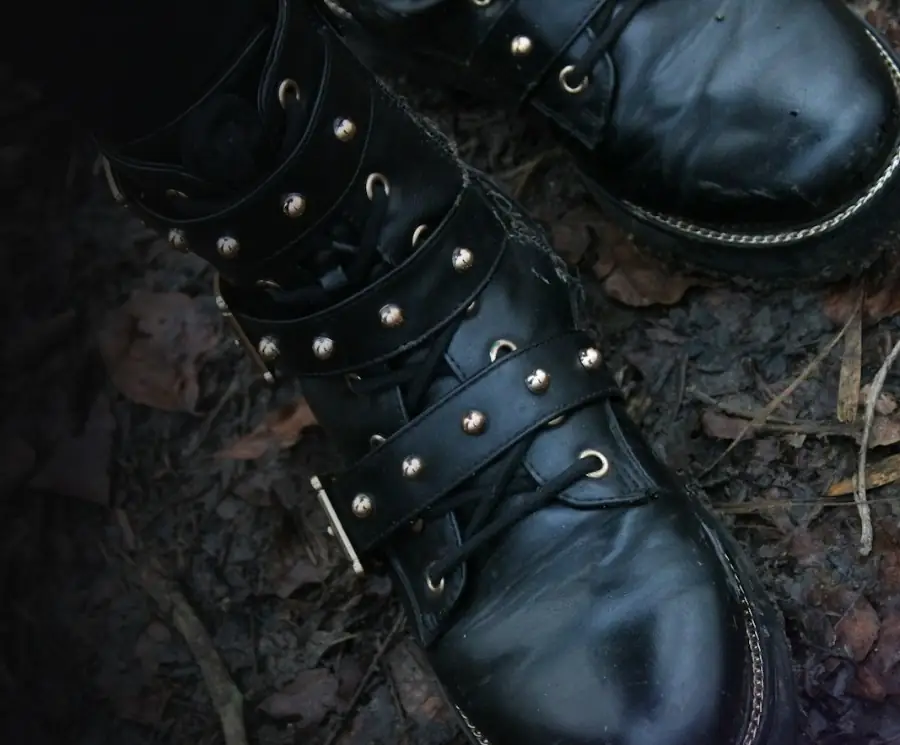
- Boots. A solid pair of black boots goes with leather, rubber, uniform and sportswear. They also last the longest of anything you'll buy, so this is the place to spend a little more.
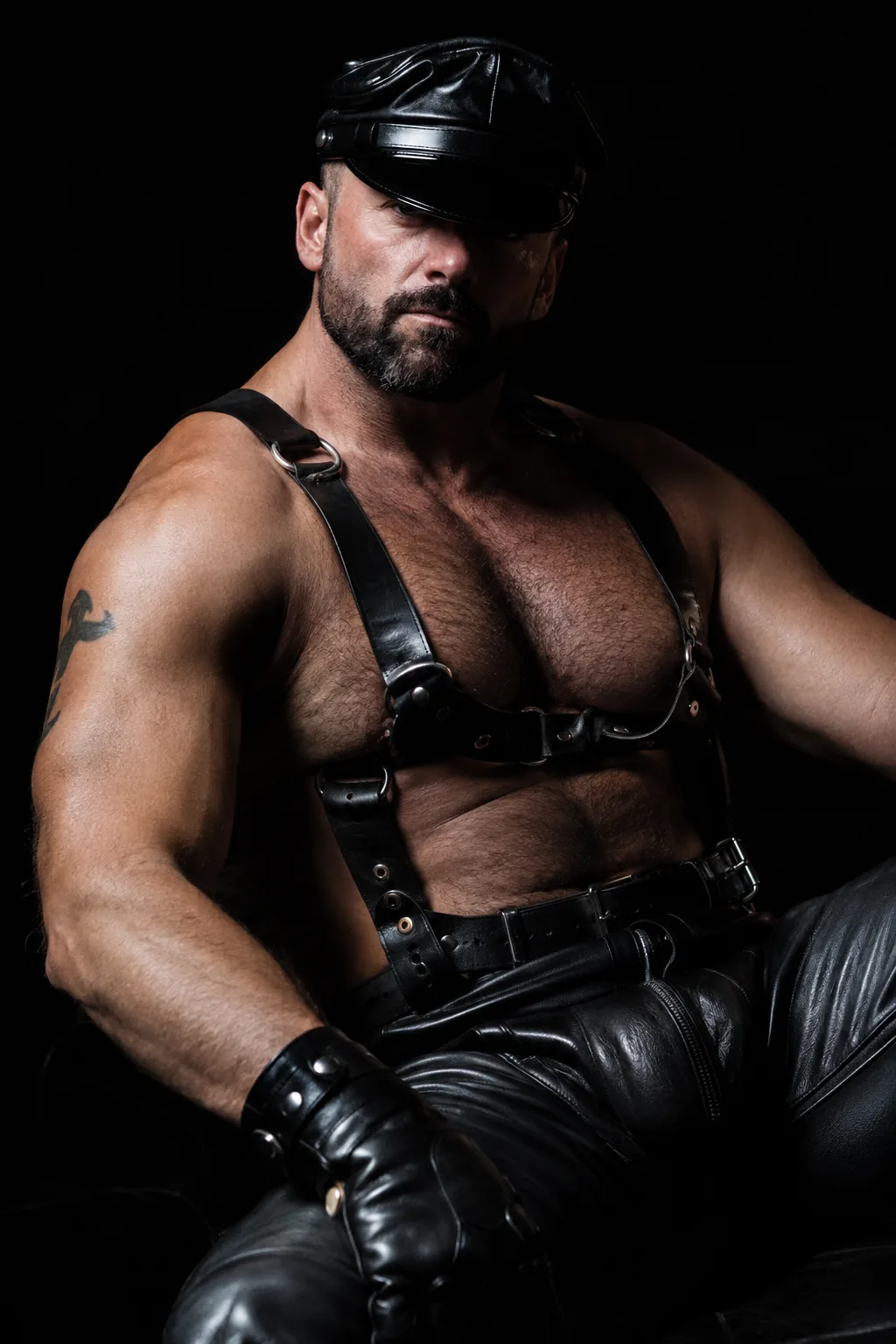
- A harness or a belt-and-strap piece. It changes how a plain black T-shirt or a bare chest reads, and it's light to carry.
- Jeans or trousers that fit. Plain dark denim or work trousers with boots is accepted at most gear nights as a starting point.
- One statement piece. A cap, a vest or a pair of gloves. Pick the thing that says which scene you're leaning toward.
After that, save for the piece you really want, whether it's chaps, a jacket or a suit. One good piece beats five cheap ones.
What to skip at first
Some purchases look essential and aren't, at least not yet.
- Full suits and full outfits. A full leather or rubber outfit is a big spend. Wait until you know your size, your taste and your scene.
- Trend pieces. Whatever is everywhere this season may look dated in two years. Classic cuts hold their value and resell well.
- Anything you'll only wear once. If it's for one party, borrow it.
Second-hand, swaps and patience
The scene has a long habit of passing gear on. Men change size, change scenes or clear out their closets, and good gear often outlives its first owner.
- Ask in the circles. Members of the gear circles often post what they're selling or swapping, and they'll tell you honestly what fits small. Start with Fetish Fashion & Gear or your scene's own circle.
- Watch the big weekends. Many leather and fetish weekends have a vendor market, and some have used gear for sale. The events calendar has a Big weekends chip.
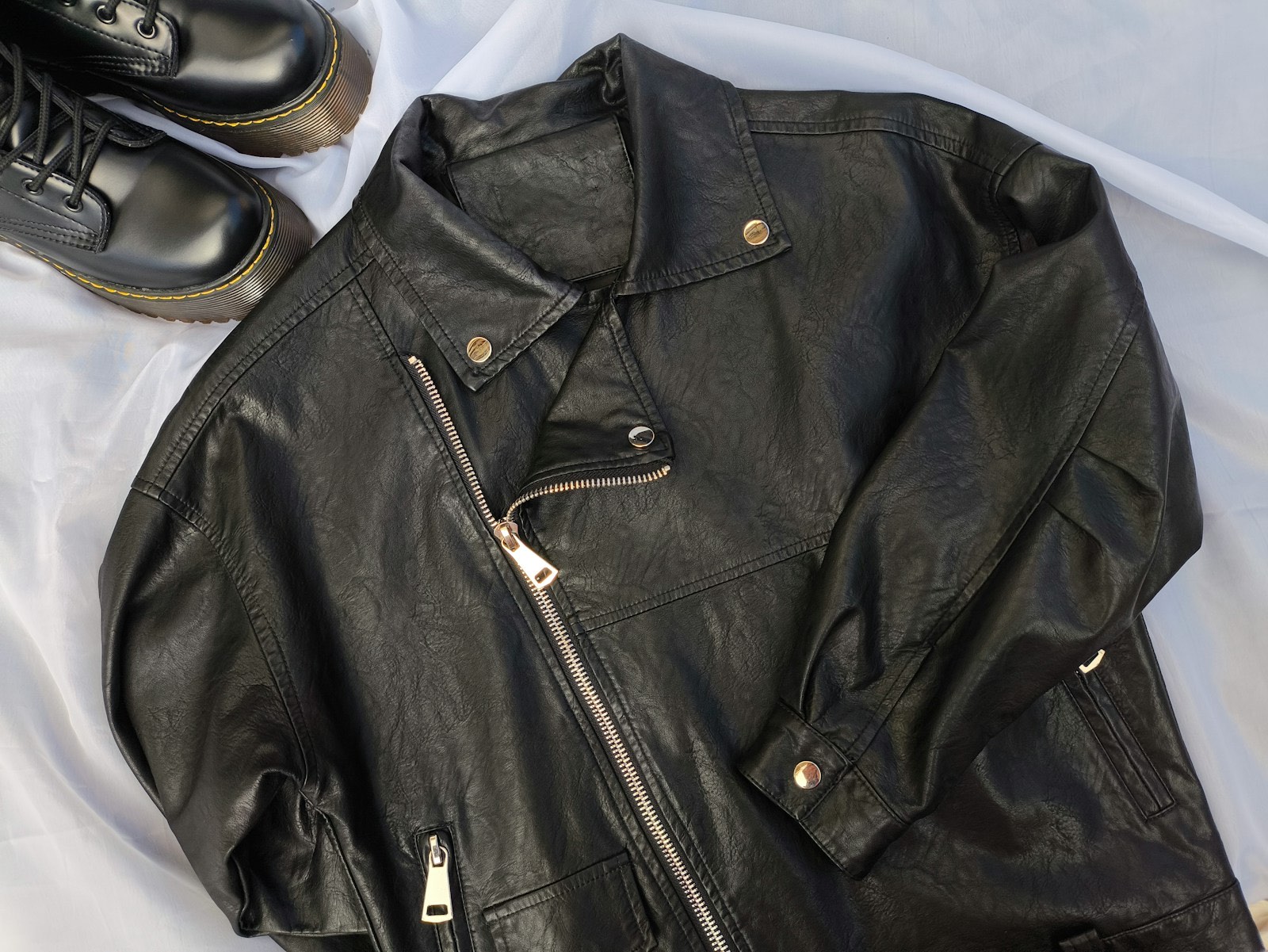
- Check thrift and vintage shops. Real leather jackets, work boots and uniform pieces turn up there all the time.
- Be patient. The right piece in your size will come up. Rushing is how you end up with something that doesn't fit.
When you buy used, look closely. Check stitching at stress points, the condition of buckles and snaps, and whether leather has cracked or dried out. Smell it. Mold and smoke are hard to get out.
Cheap materials that aren't worth it
Some corners are fine to cut. A few aren't, because the cheap version can hurt you.
Restraints. Cuffs and anything that holds weight need to be made for the job. Very cheap cuffs often use weak rivets, sharp edges or thin straps that can tear or dig in. Look for wide, padded cuffs, solid hardware and a quick way to get out of them. If you can't trust it to hold, don't trust it to let go either.
Hardware. Snaps, rings and buckles take the strain. Thin plated metal bends and breaks. Solid steel or brass lasts and is safer under load.
Rubber. Thin, poorly made latex tears easily and can be hard to get on and off. If a piece is suspiciously cheap, check reviews from people who wear rubber, and ask in the Rubber & Latex circle before you buy.
Fake leather sold as real. Bonded or synthetic leather is fine as long as you know you're buying it. It's a problem when it's sold as real leather at a real-leather price. Real leather has an uneven grain and a smell; synthetic often looks too perfect and smells of plastic.
If you have a latex allergy, or any skin reaction to a material, take that seriously. Stop wearing it, and talk to a doctor if it doesn't settle.
Make it last
The cheapest gear is the gear you don't have to replace. A little care goes a long way.
- Clean leather after wearing it, let it dry at room temperature, and condition it a few times a year.
- Rinse rubber, dry it, and store it away from light and metal.
- Polish your boots regularly. It protects the leather and makes cheap boots look much better than they are.
- Fix small things early. A loose stitch or a broken snap is cheap to repair today and expensive once it spreads.
There's a full guide to this in gear care through winter.
Where to go from here
Ask before you buy. The men in the gear circles have made every mistake already and are usually happy to stop you making it too. If you're still deciding which scene is yours, Leather 101 and Rubber 101 are good next reads.
Cover: Anna Evans / Unsplash
Real Kink Men is where these men meet.
Profiles, circles, events and On Air. Free to join, 18+.
Join free →More to read
Scene guides · 4 min read
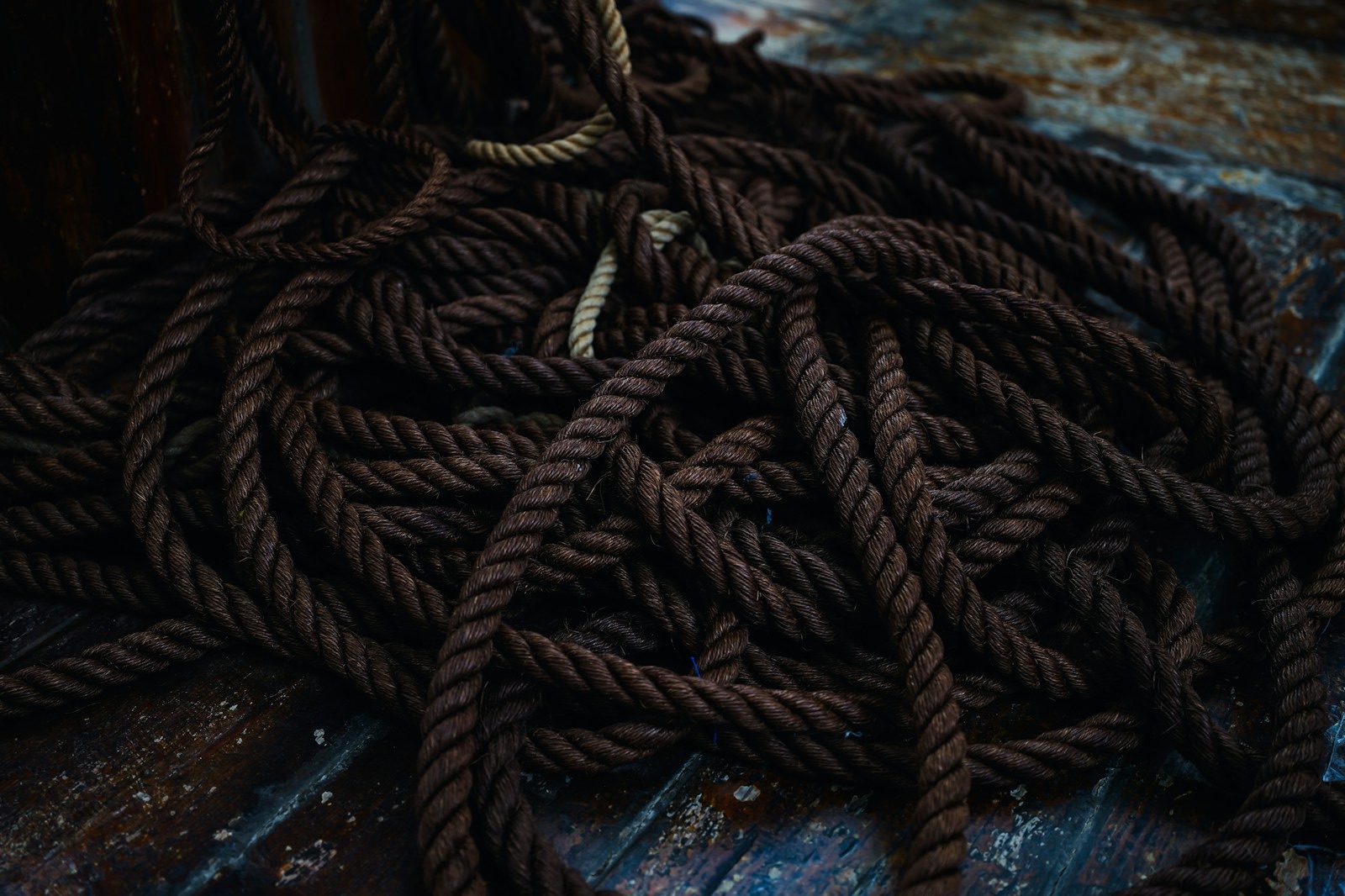
Bondage basics: cuffs, rope and what to skip
Cuffs or rope, where nerves sit close to the skin, why safety shears come first, and the gear that has no place in your toy bag
The Real Kink Men team · Oct 26

Scene guides · 3 min read
Rubber 101: fit, shine and first gear
How to size latex, get into it without tearing it, make it shine, stay cool in it and store it so it lasts for years
The Real Kink Men team · Oct 19
Scene guides · 4 min read
Pup play 101: headspace, gear and the pack
What pup headspace feels like, what a handler does, which gear to buy first, and how to behave at your first mosh
The Real Kink Men team · Oct 12